How Light Shapes the Experience of Home
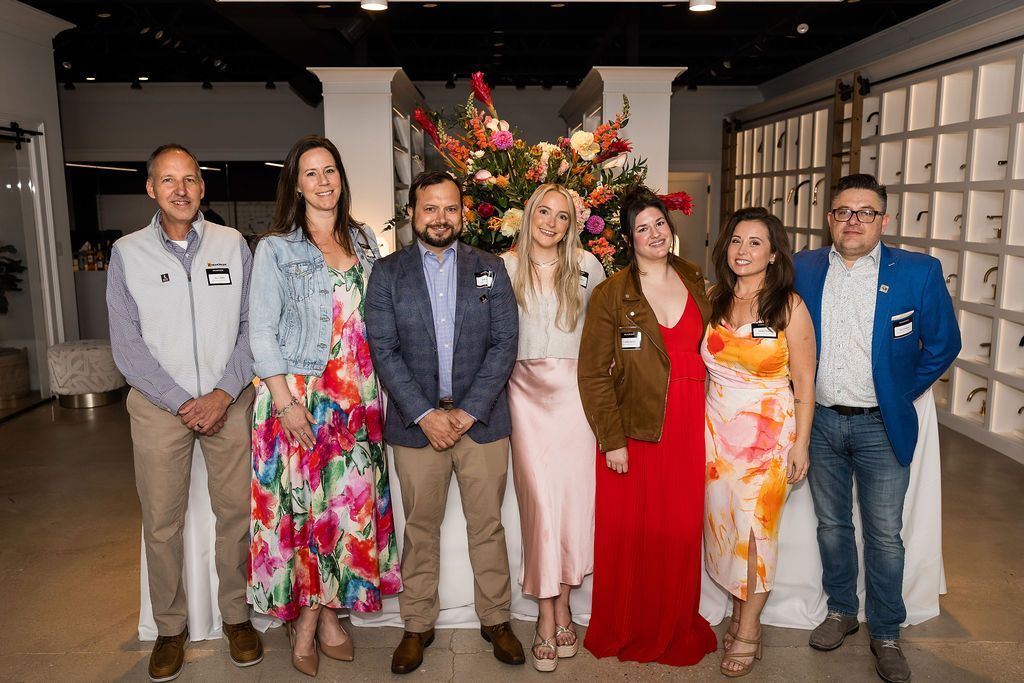
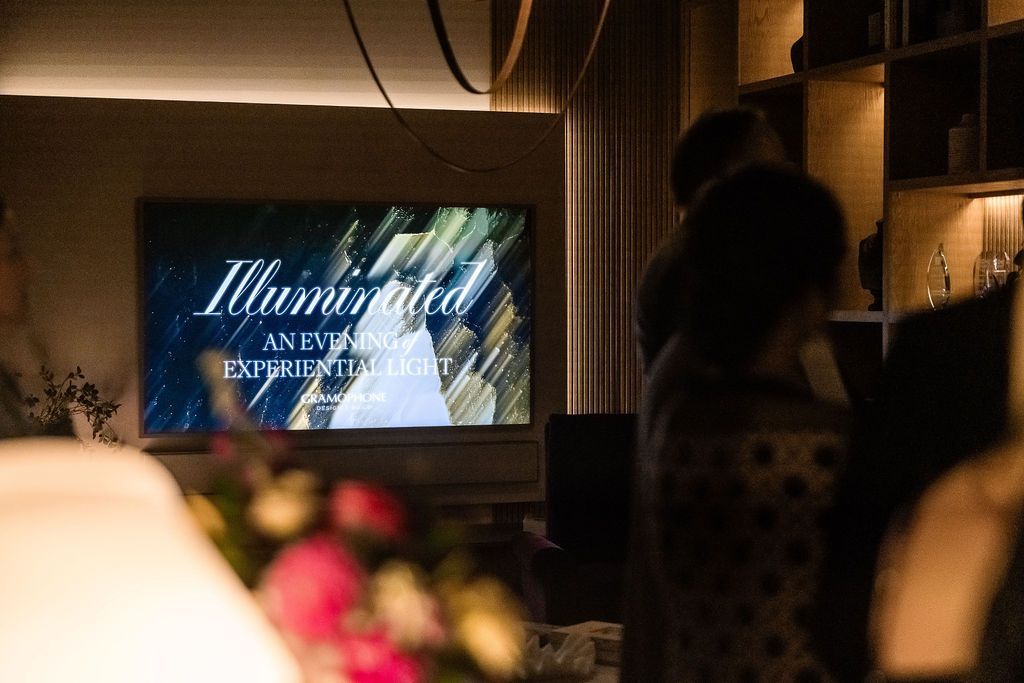
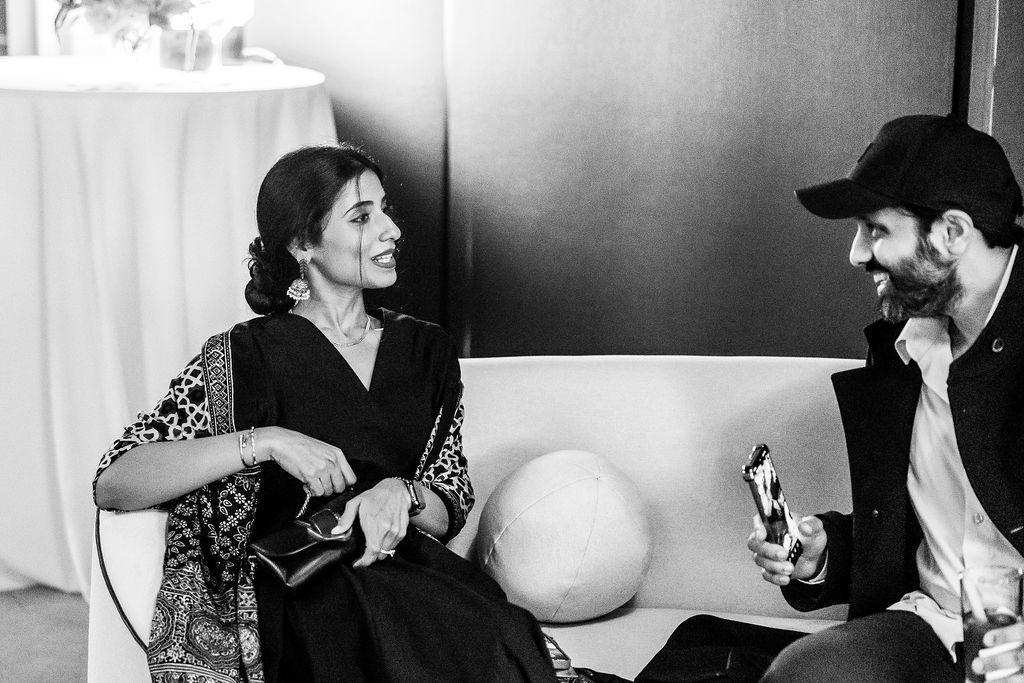
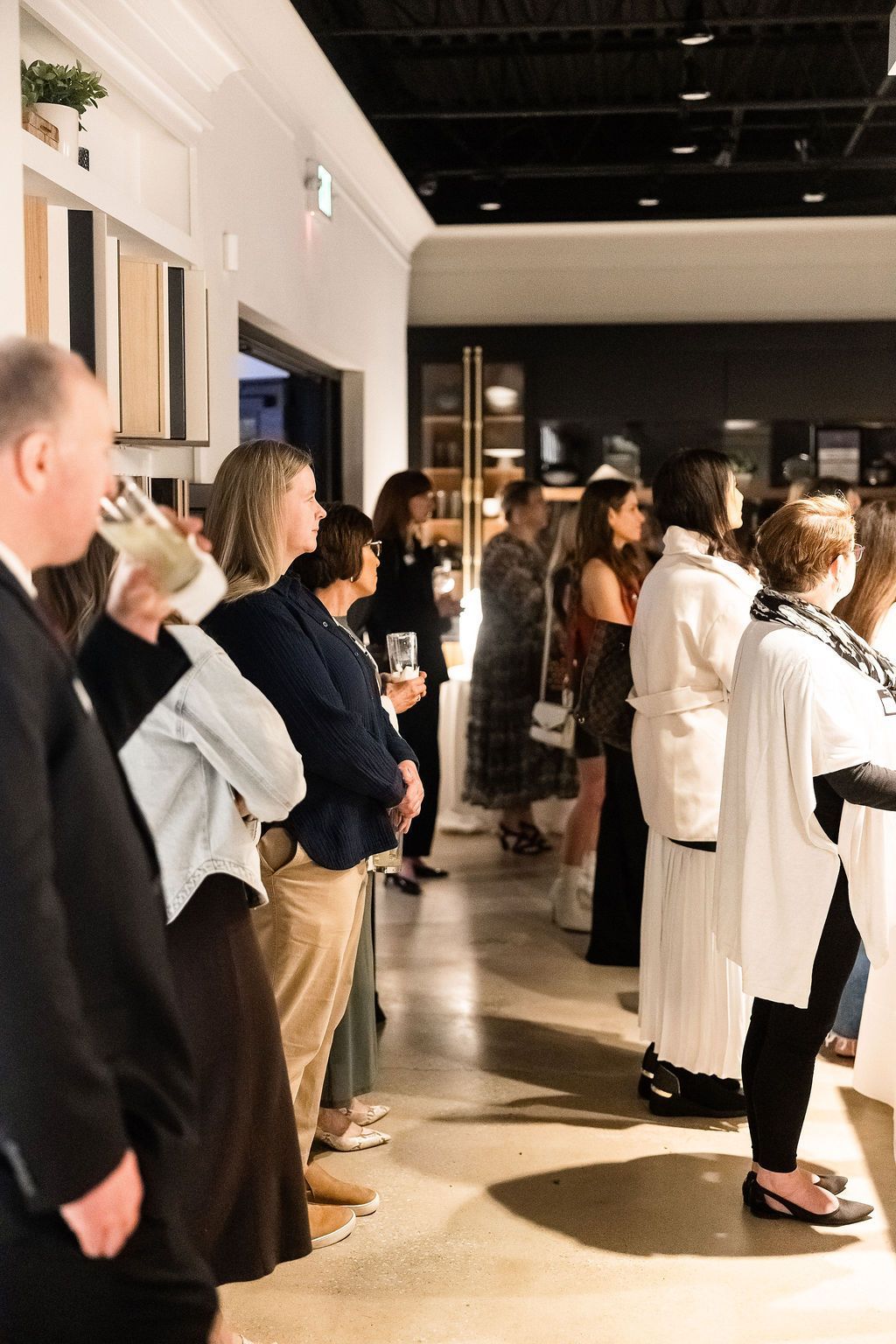
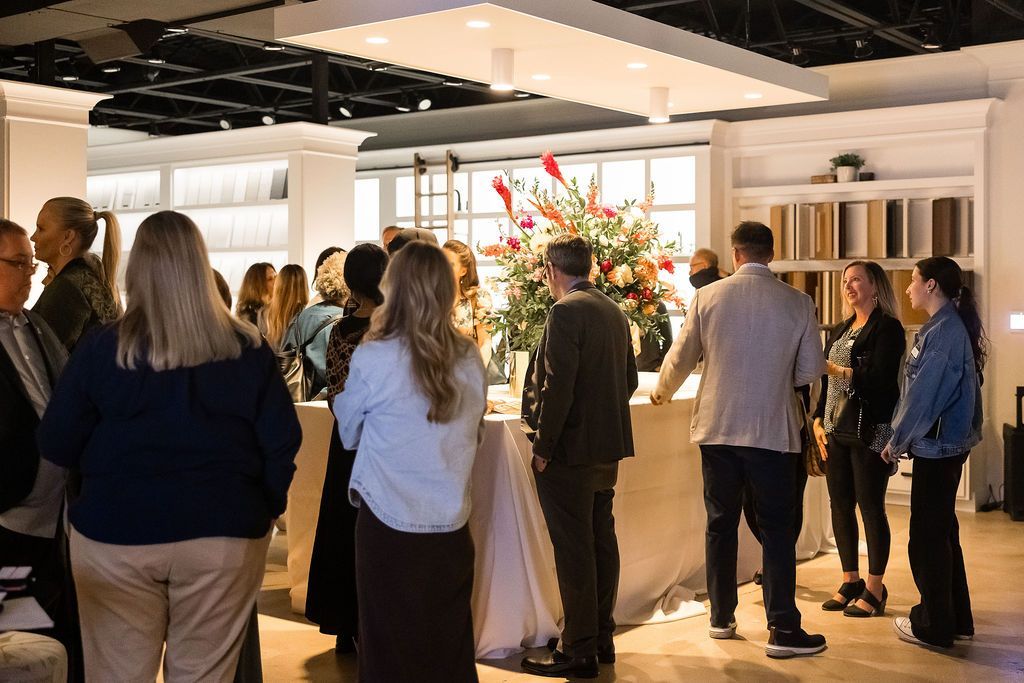
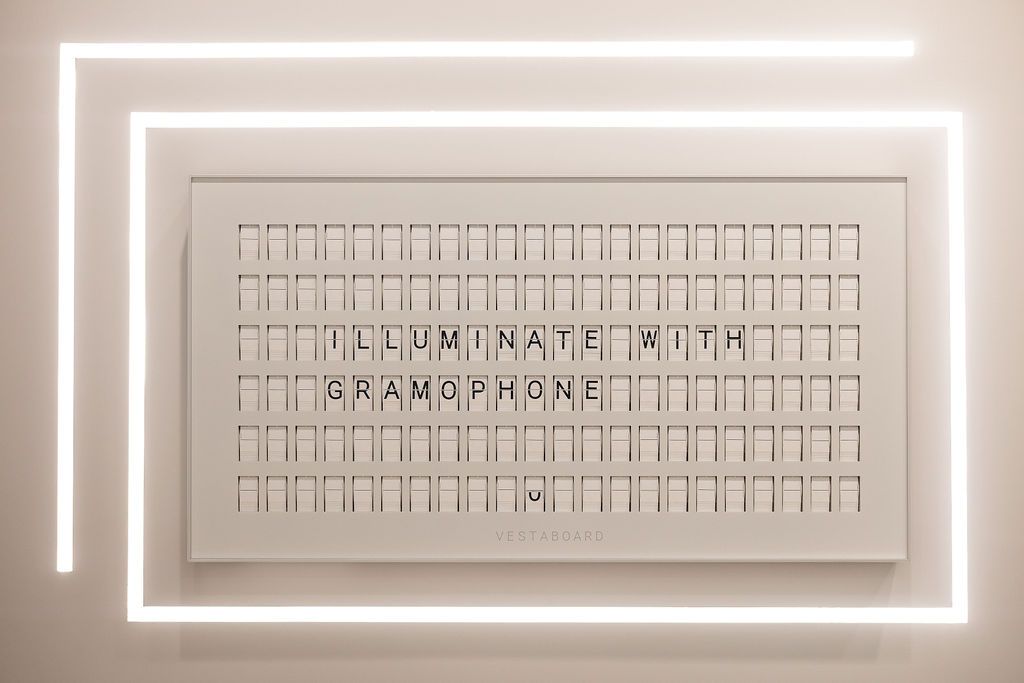
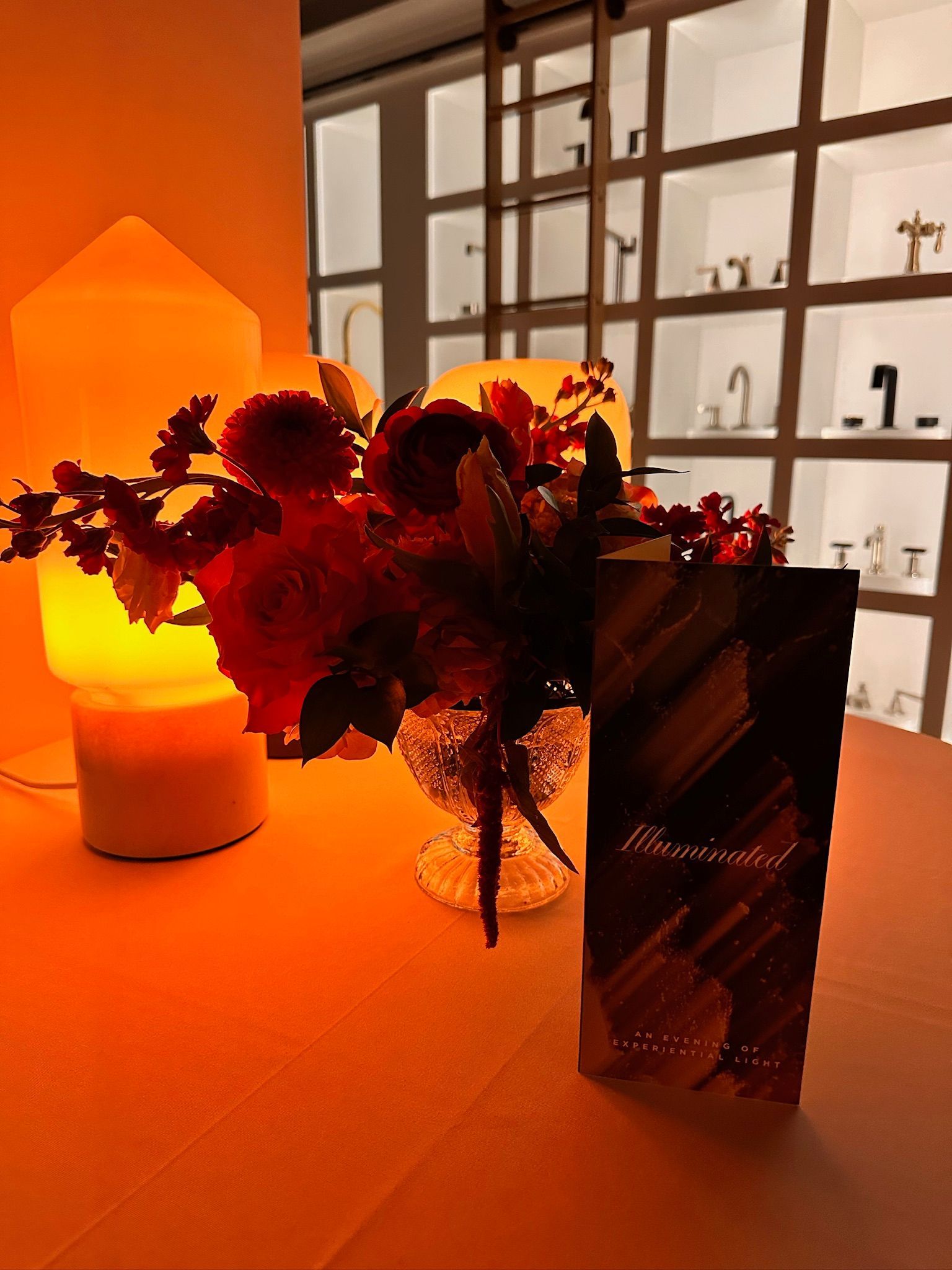
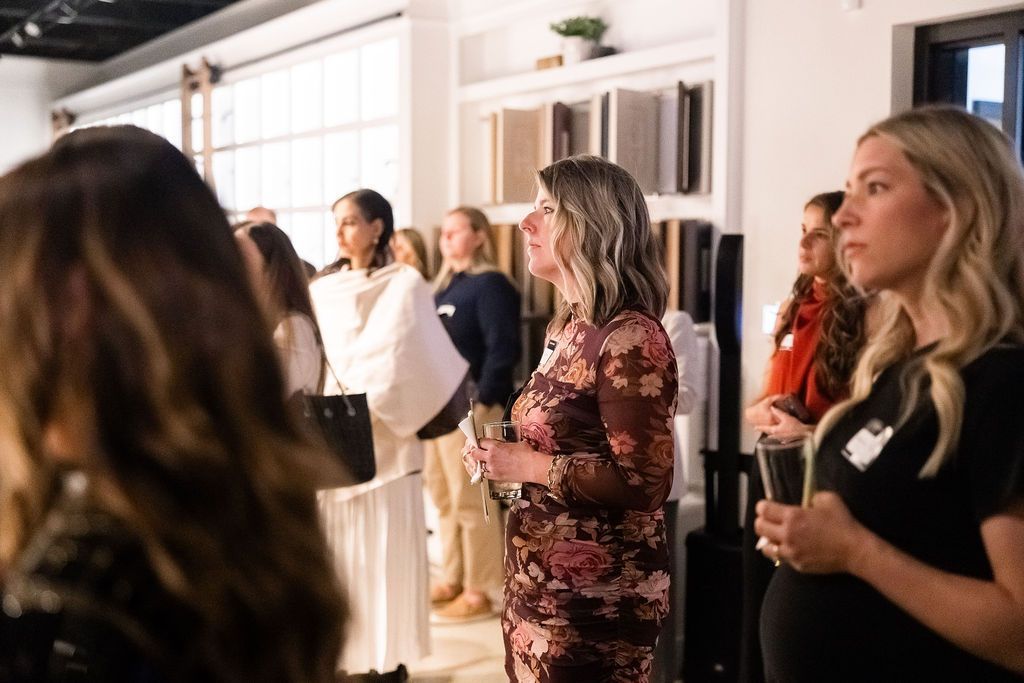
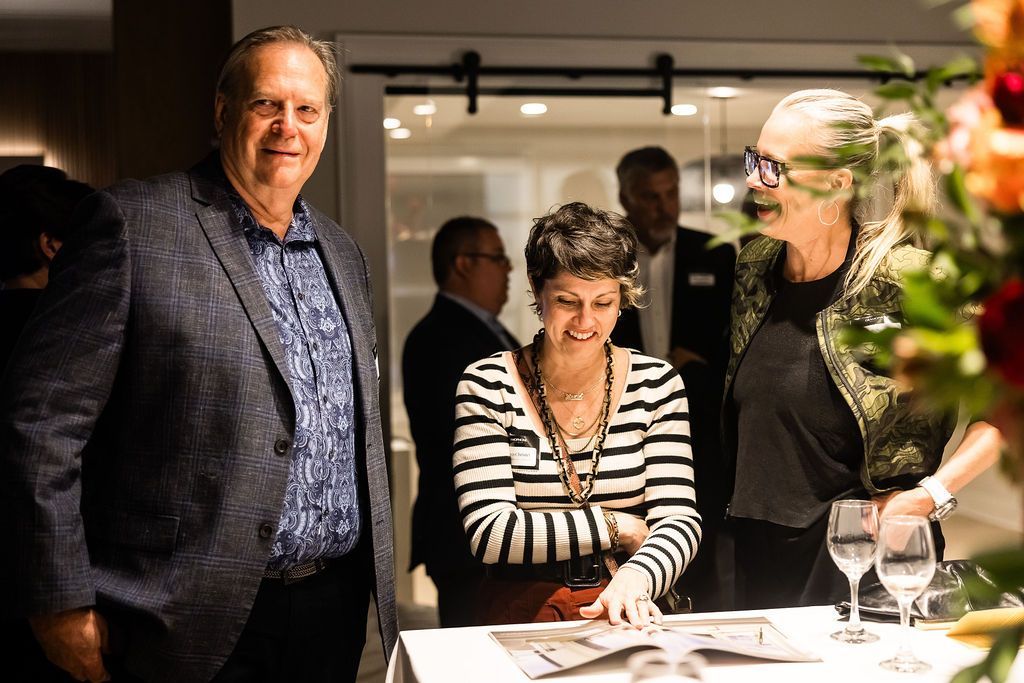
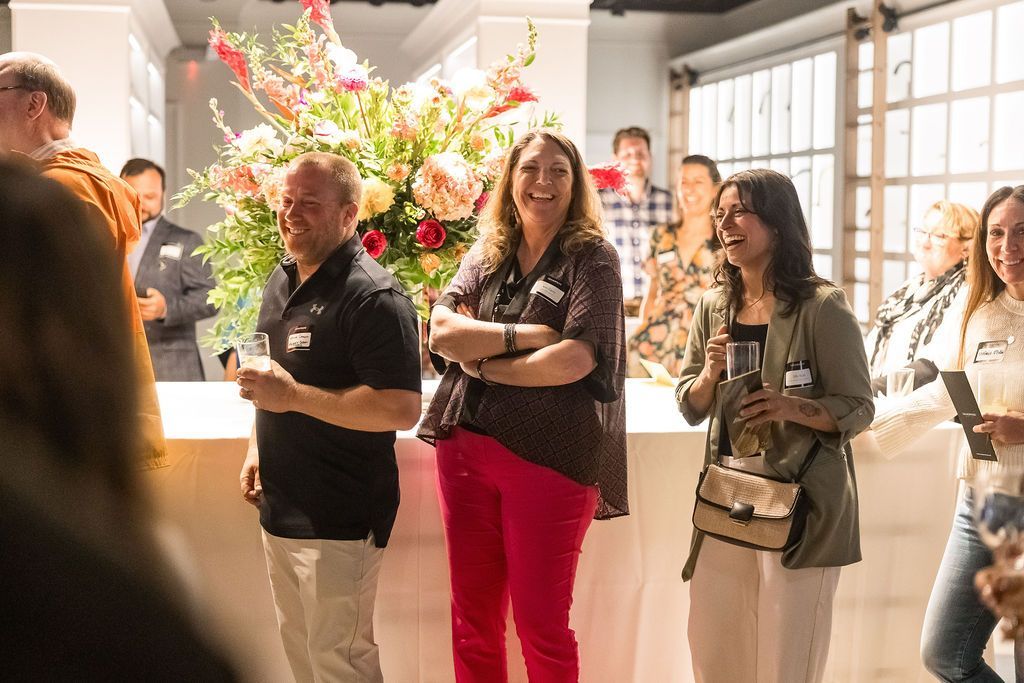
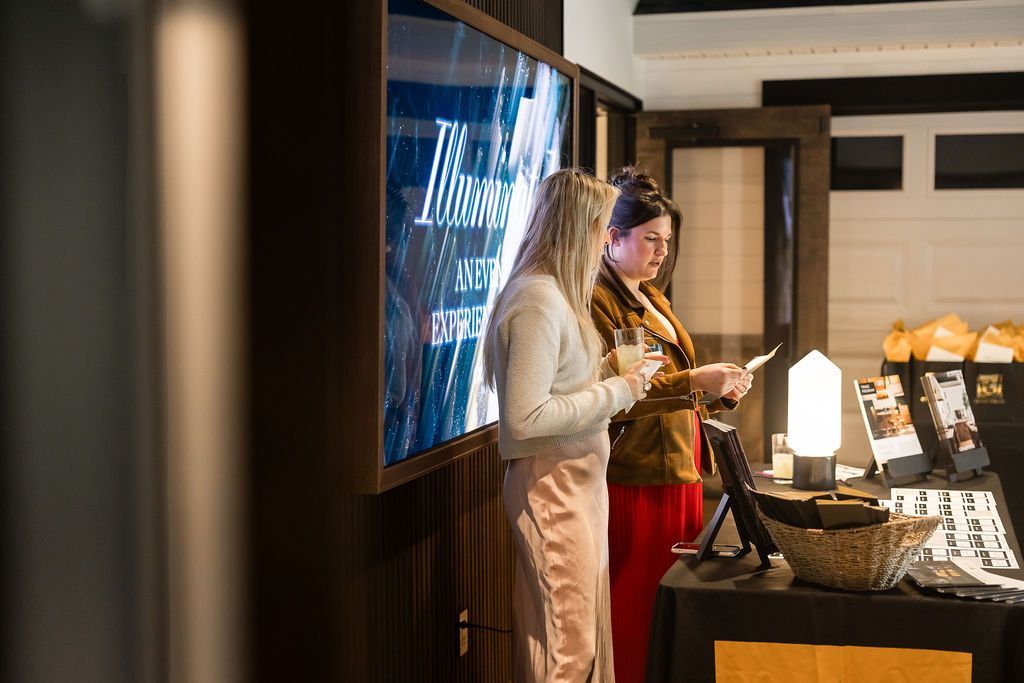
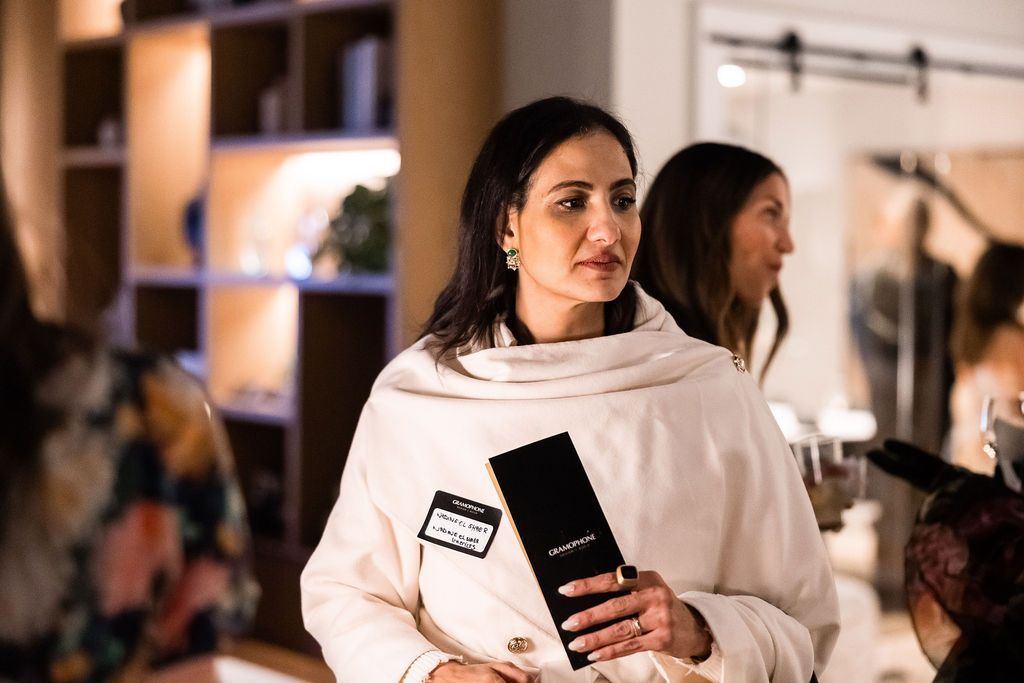
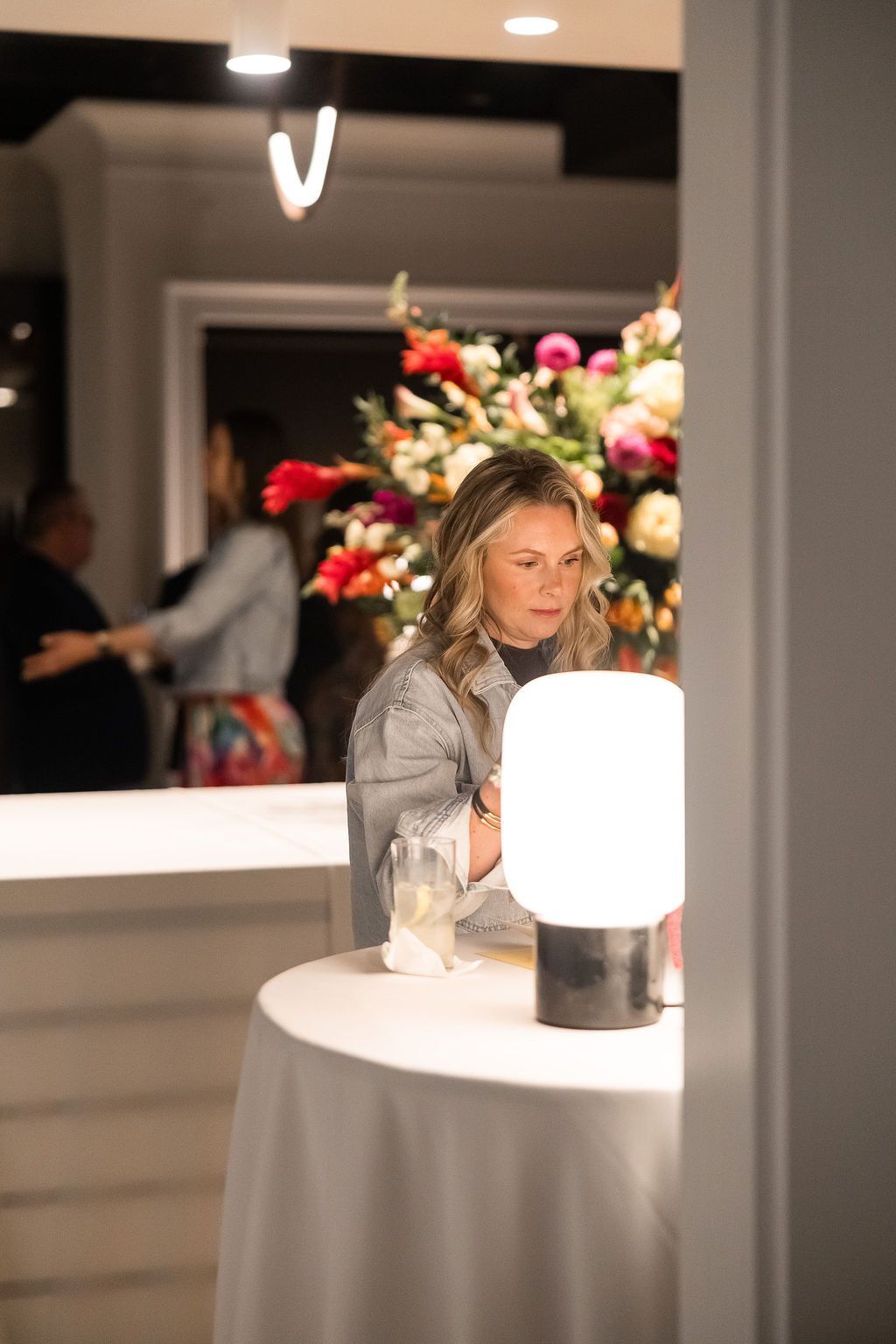
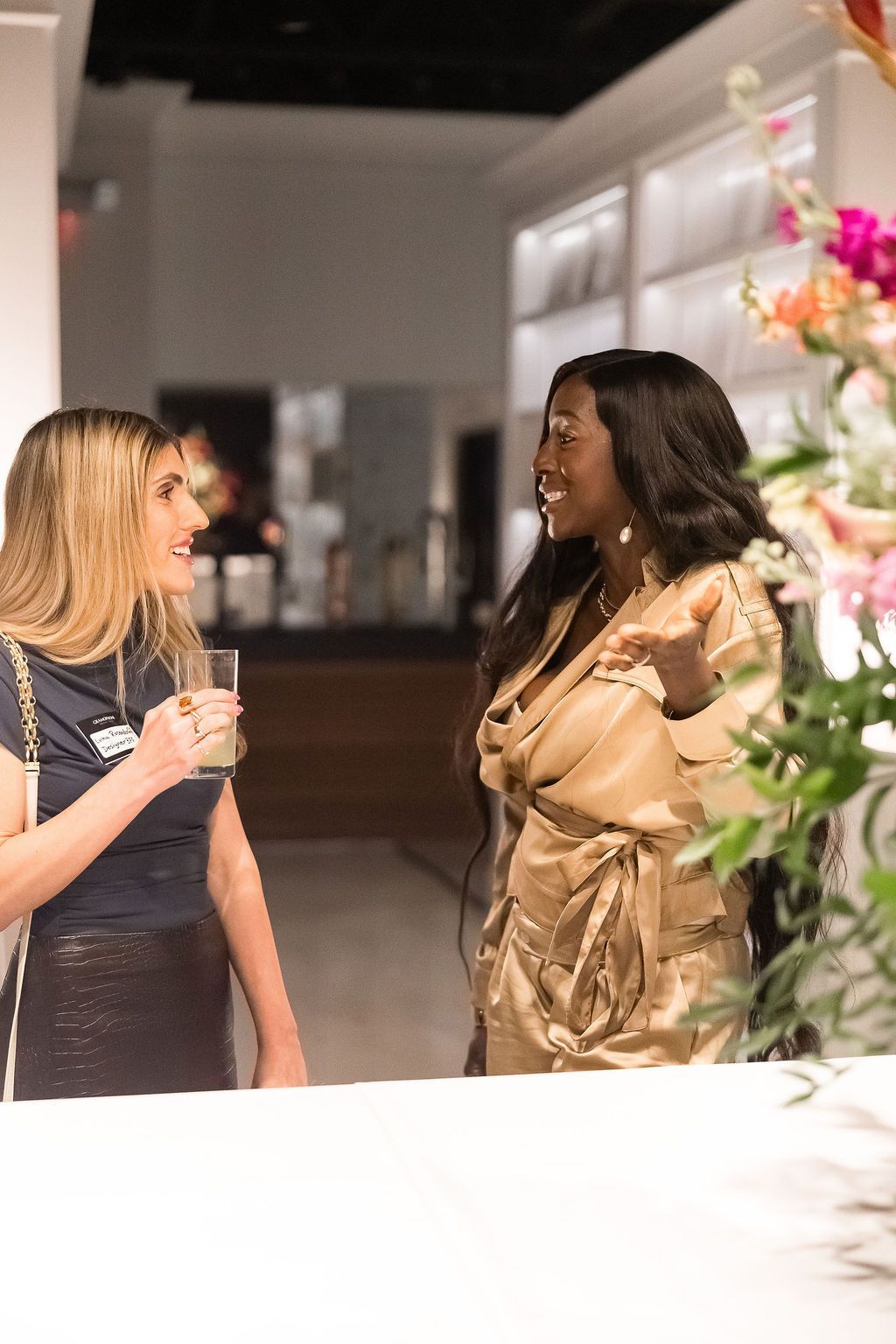
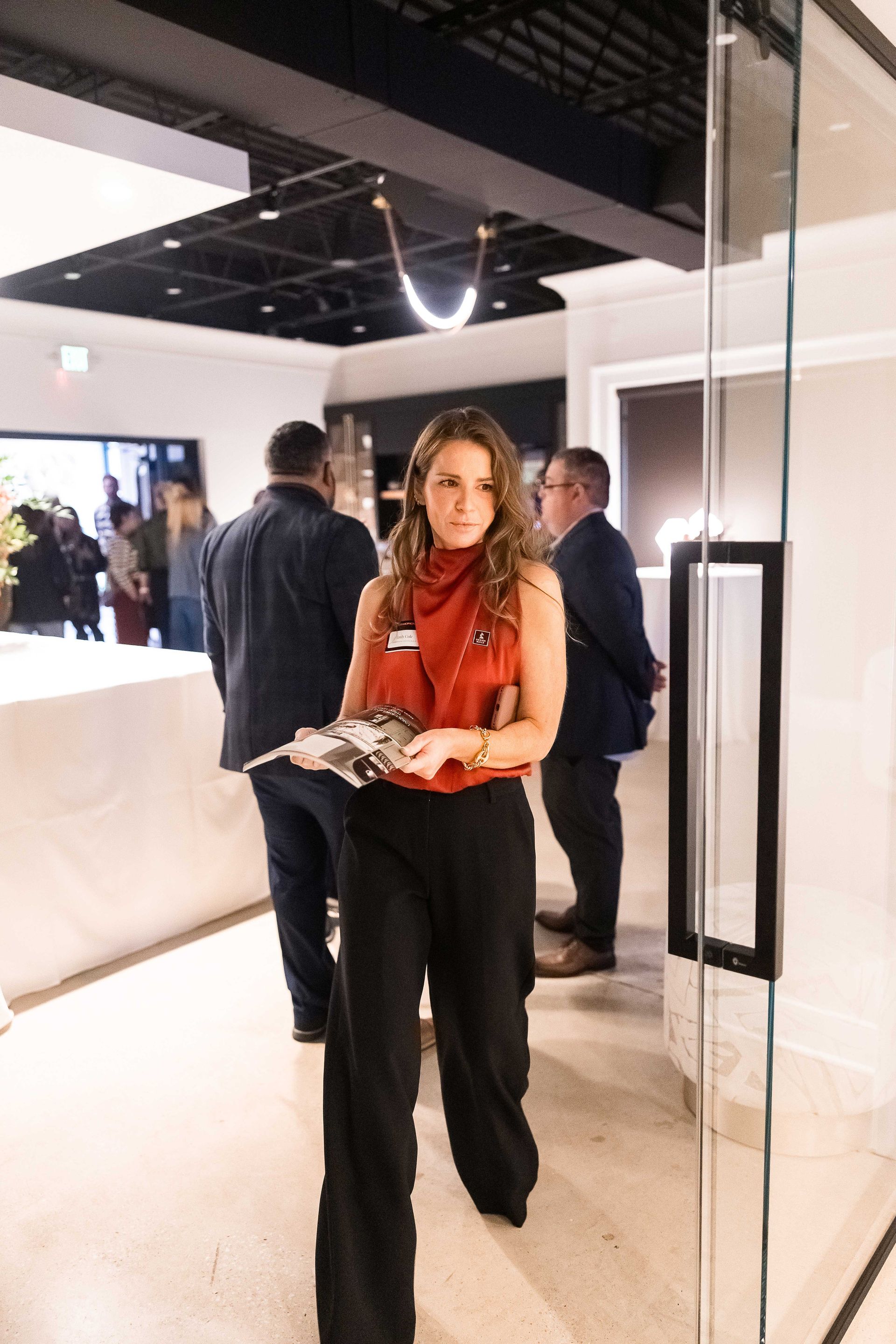
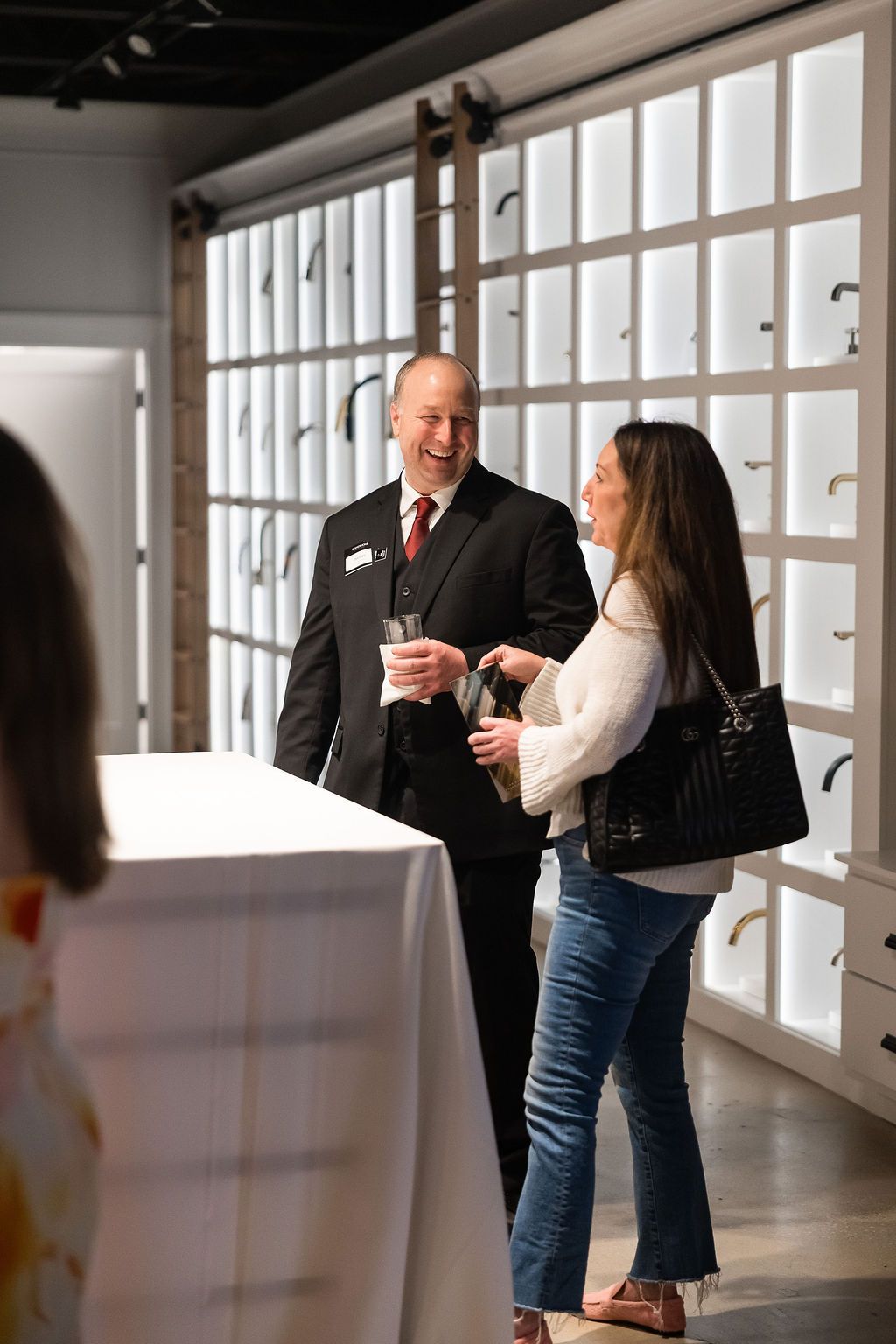
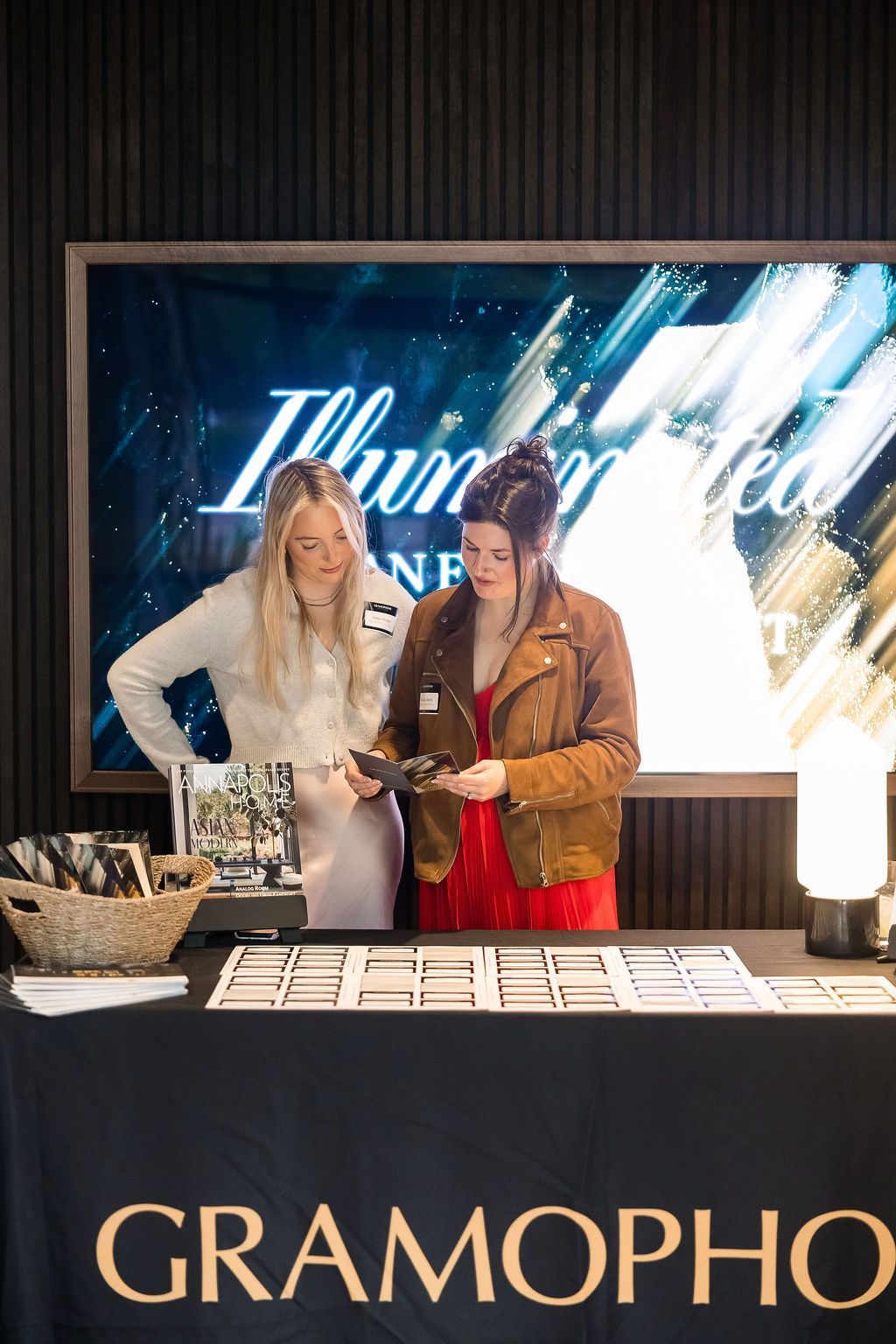
Architects, designers, builders, and homeowners gathered at Gramophone Design Build for Illuminated: An Evening of Experiential Light, exploring how thoughtfully integrated lighting is reshaping residential design.

For years, lighting was expected to do one thing: make a room brighter.
Today, it does much more than that.
Today, lighting has become one of the most powerful design tools in the home. It influences how architecture is perceived, how materials are experienced, and even how we feel within a space. Rather than simply illuminating a room, thoughtfully integrated lighting can support our natural rhythms, reveal color and texture with greater fidelity, and create environments that feel more comfortable from morning through night.
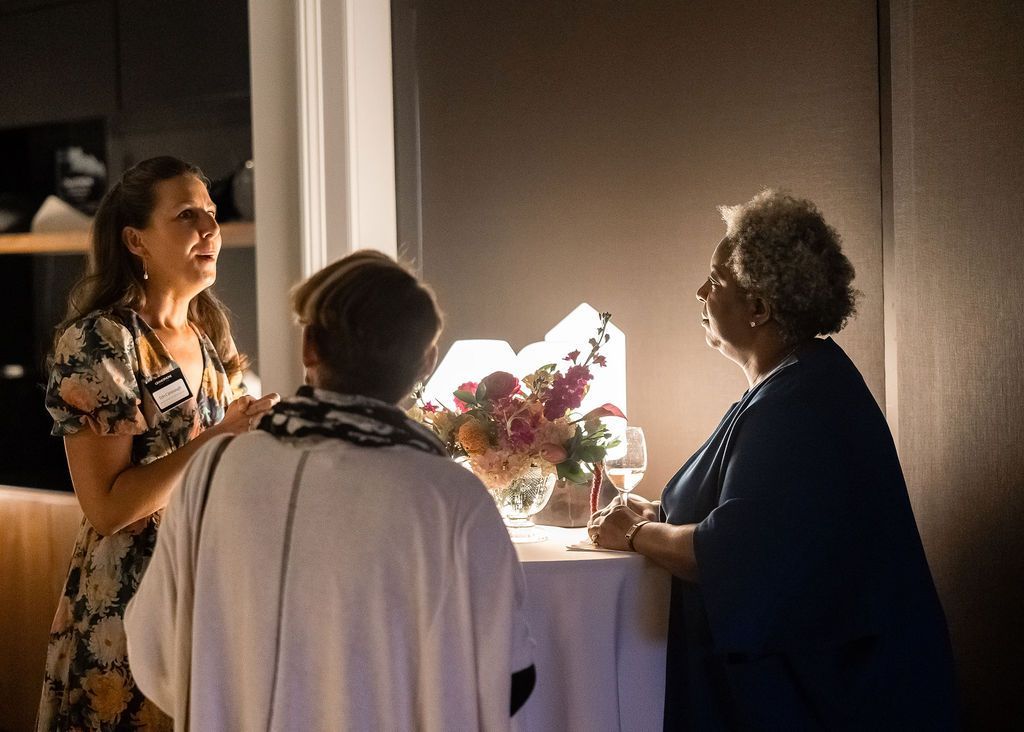
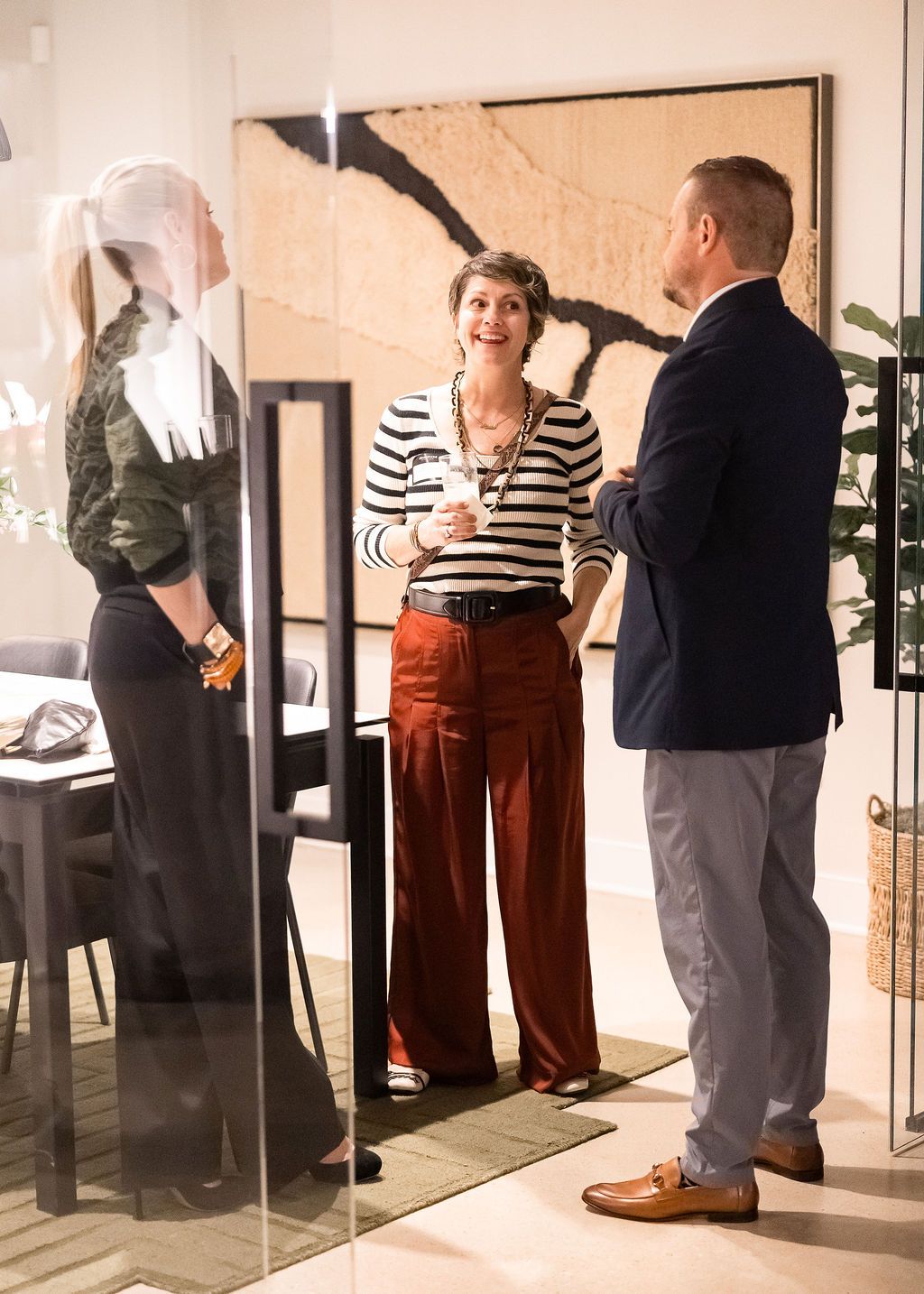
That conversation brought architects, designers, builders, and homeowners together at Gramophone Design Build for Illuminated: An Evening of Experiential Light, an evening dedicated to exploring the evolving role of light in residential design.
Rather than focusing on products or technical specifications, the evening explored how thoughtfully integrated lighting is changing the way homes are designed, experienced, and lived in.
Over the past decade, lighting technology has advanced well beyond simple dimming. Individual fixtures can now be programmed independently, adjusting both color temperature and intensity throughout the day to support different activities, moods, and routines. Warm, low light helps us ease into the evening. Brighter, cooler light supports focus and productivity. Throughout the home, lighting can respond naturally to the changing qualities of daylight, creating environments that feel more comfortable because they more closely reflect the rhythms our bodies have always known.
The impact extends well beyond comfort.
Thoughtfully designed lighting reveals architecture the way it was intended to be seen. It brings depth to natural materials, accurately renders color, highlights texture, and allows artwork, finishes, and furnishings to appear as they were selected under natural daylight. Rather than competing with the architecture, light becomes one of the materials architects and designers compose with.


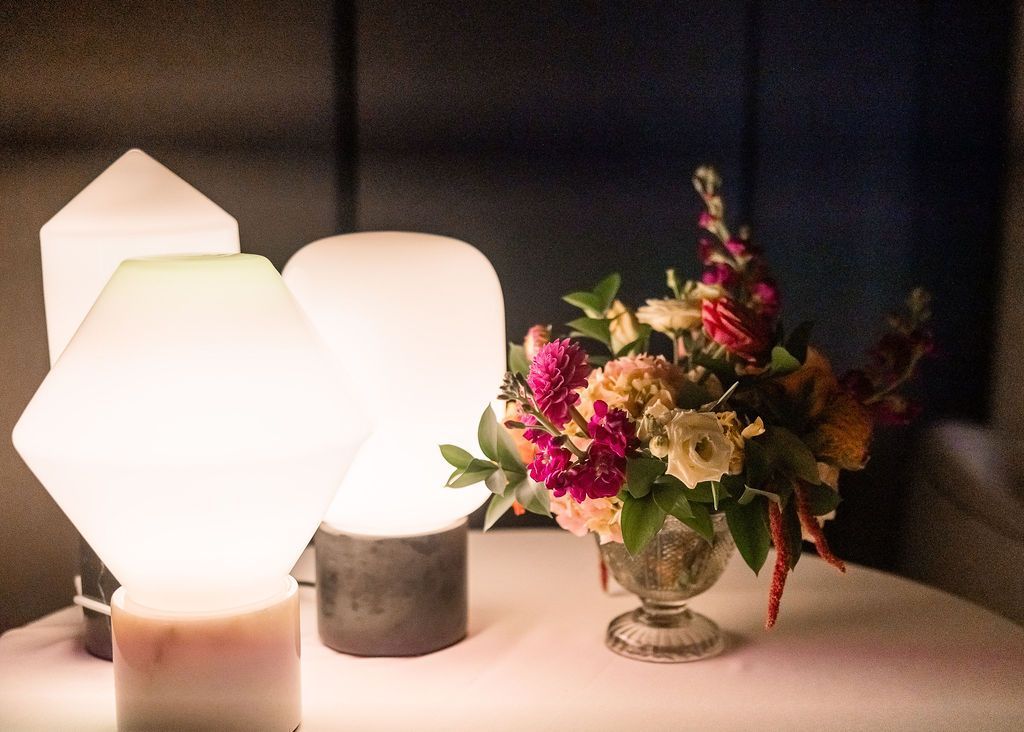

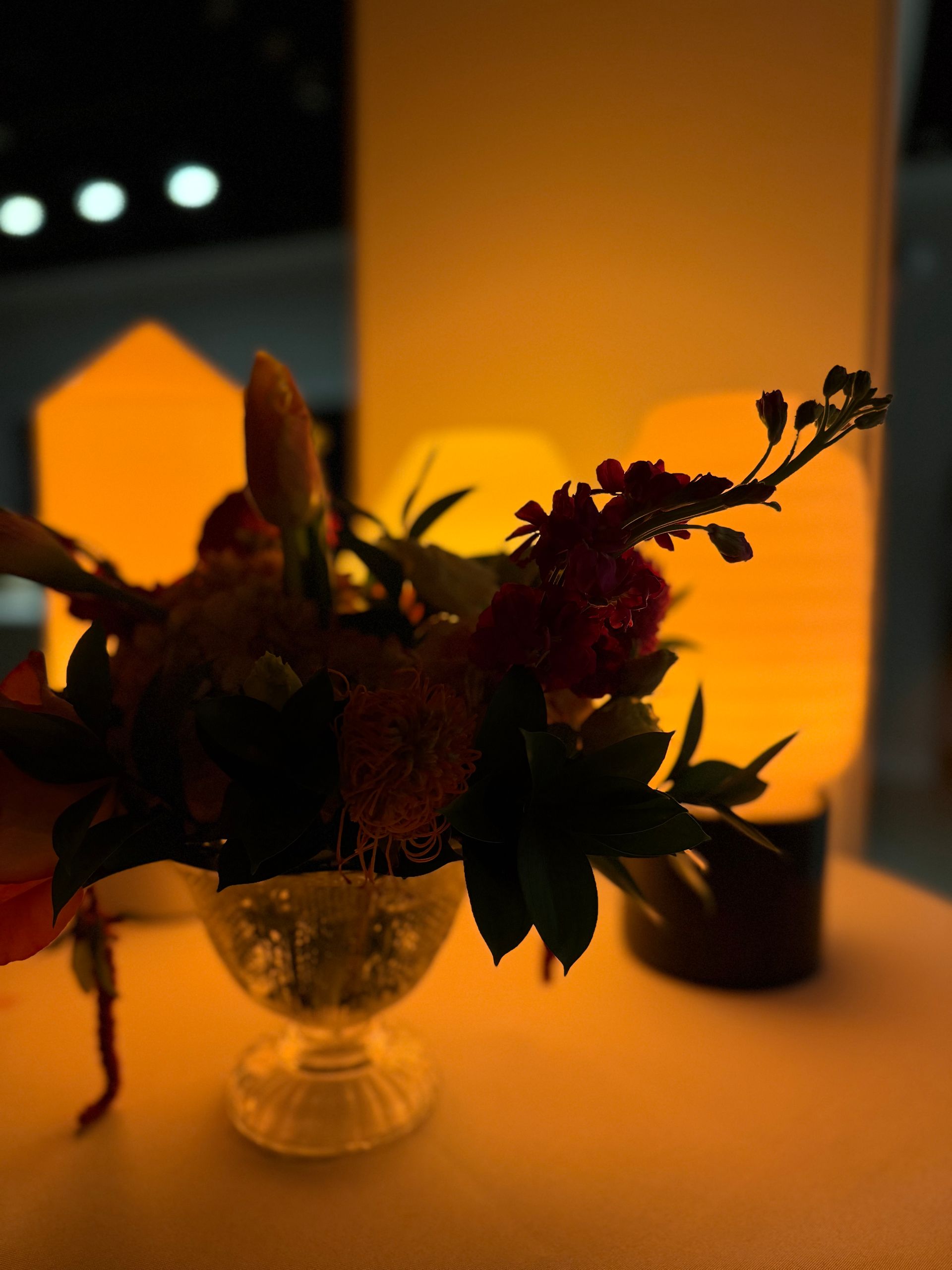
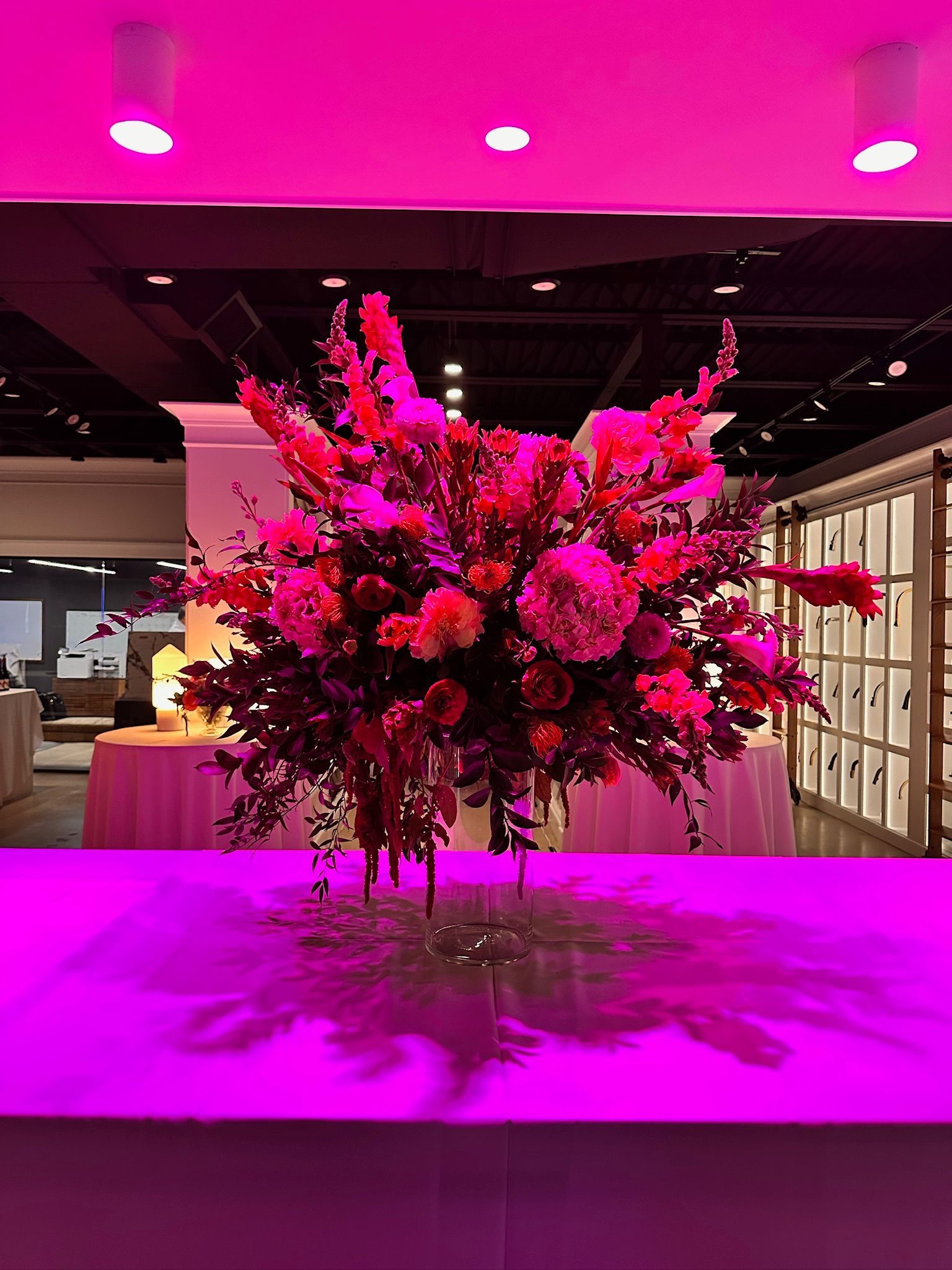
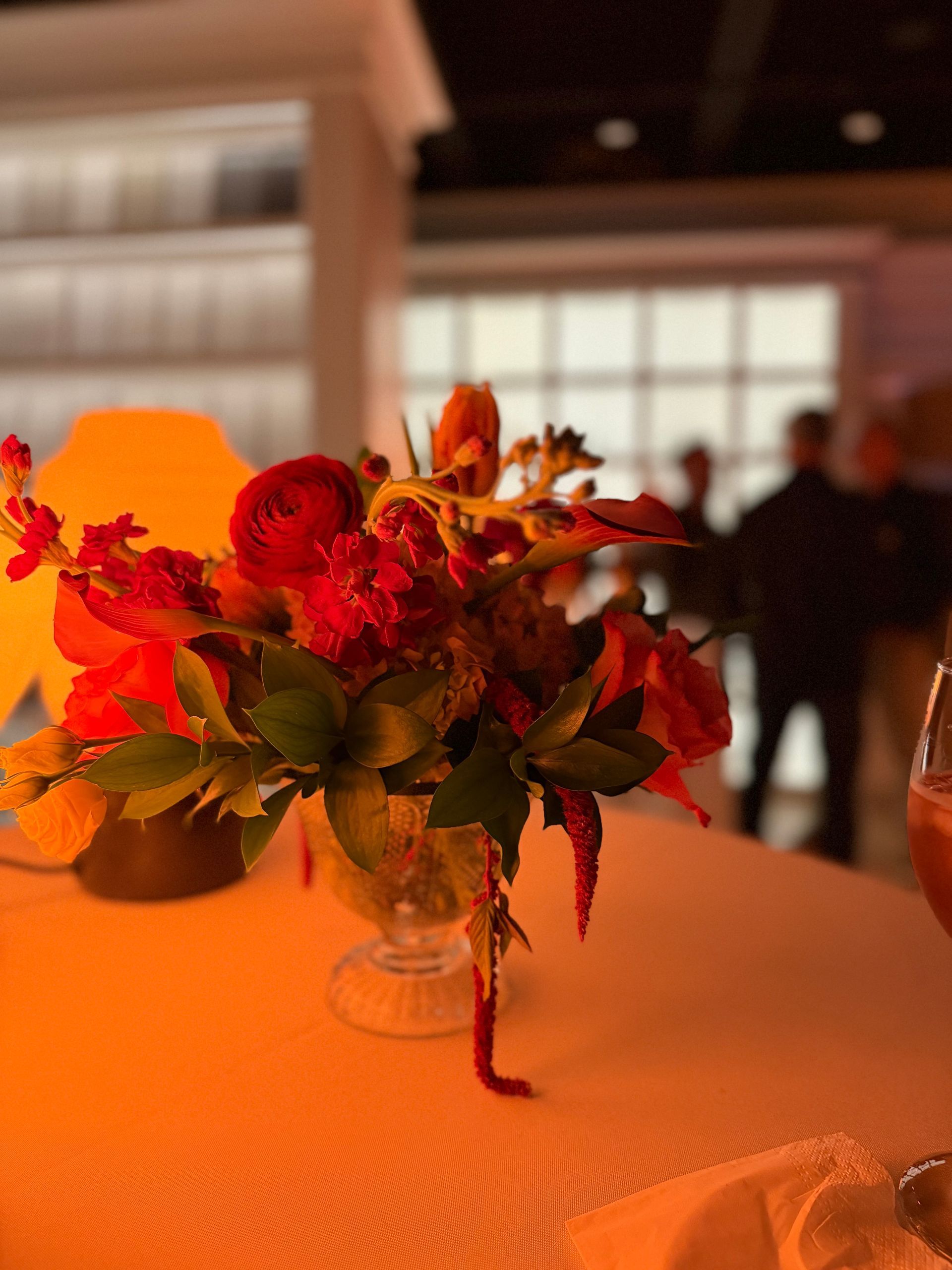
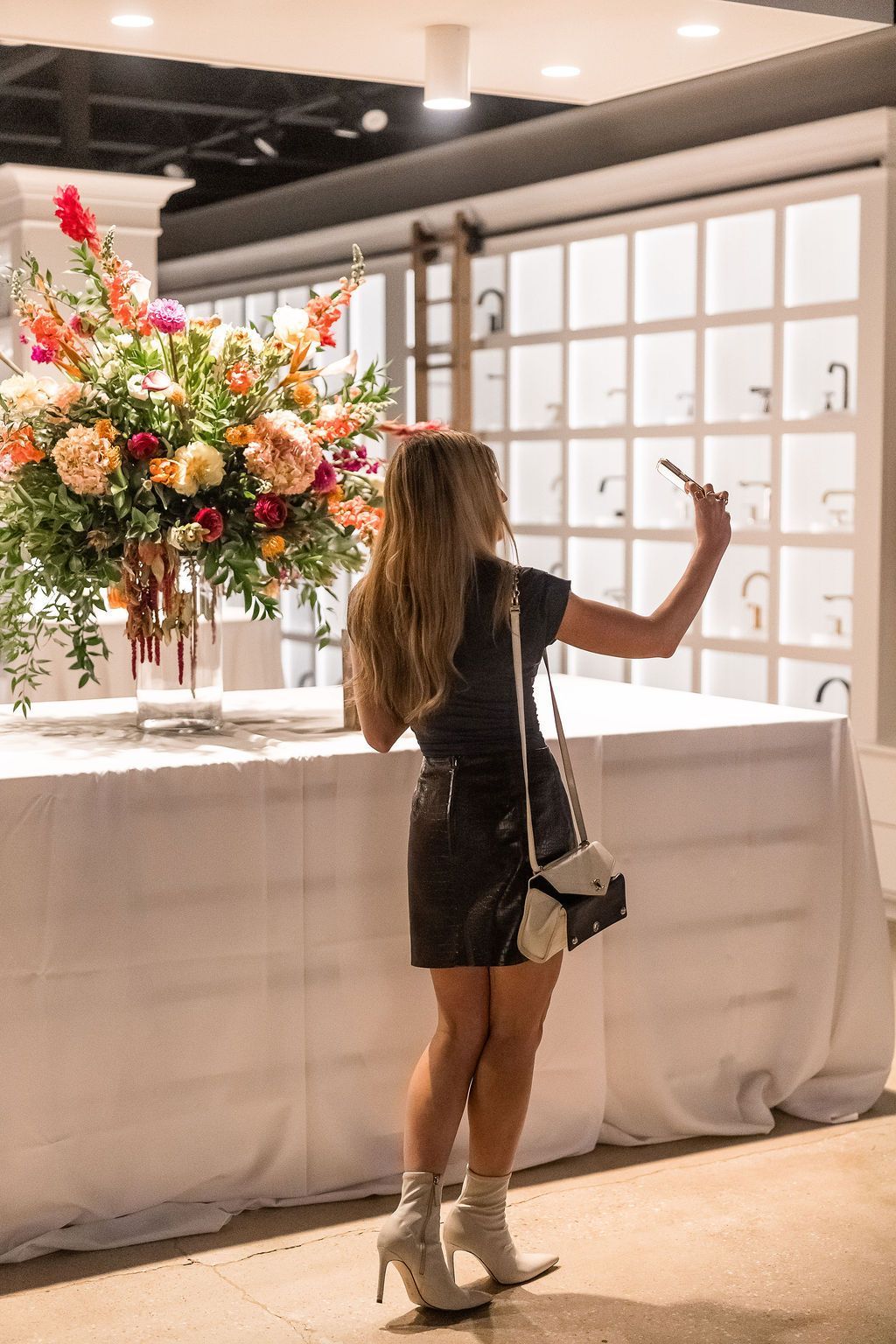
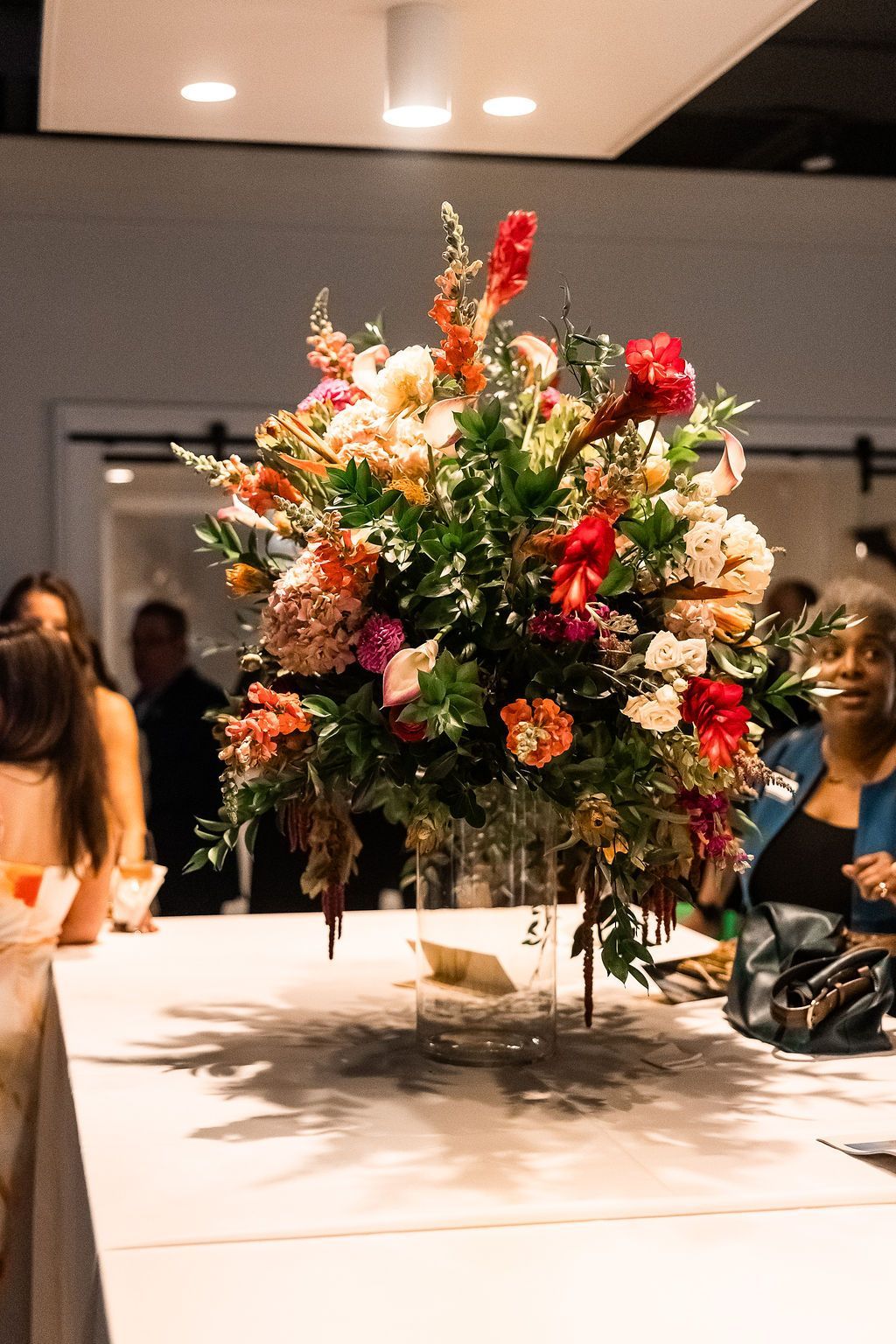
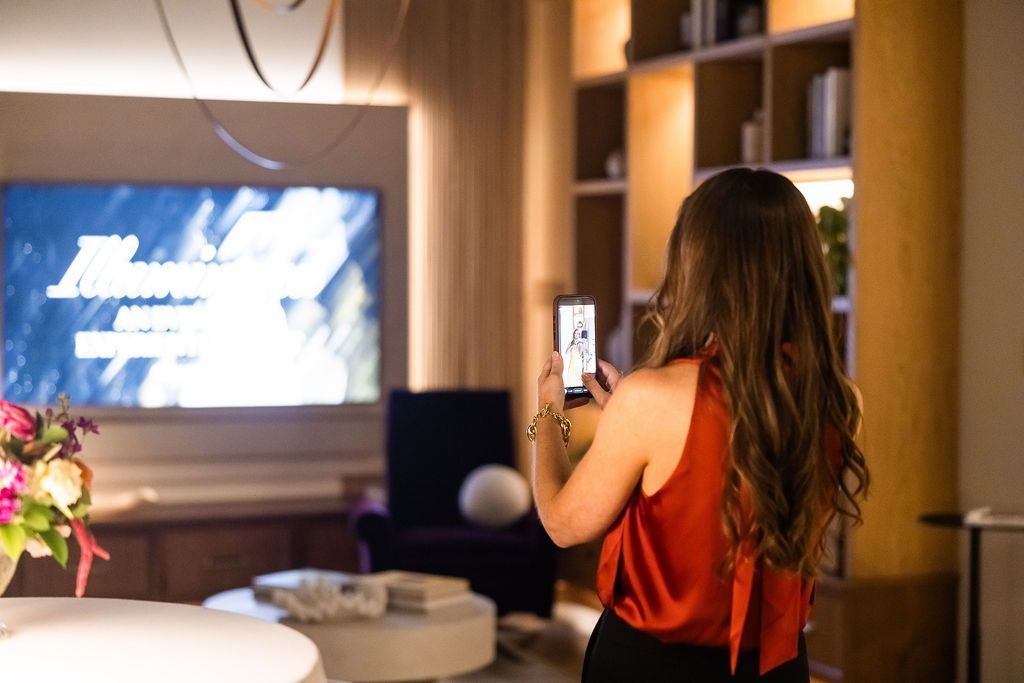
Guests experienced those ideas firsthand as the showroom transitioned through a series of lighting scenes inspired by golden hour, sunset, candlelight, and moonlight. The same room felt entirely different as the quality of light evolved.
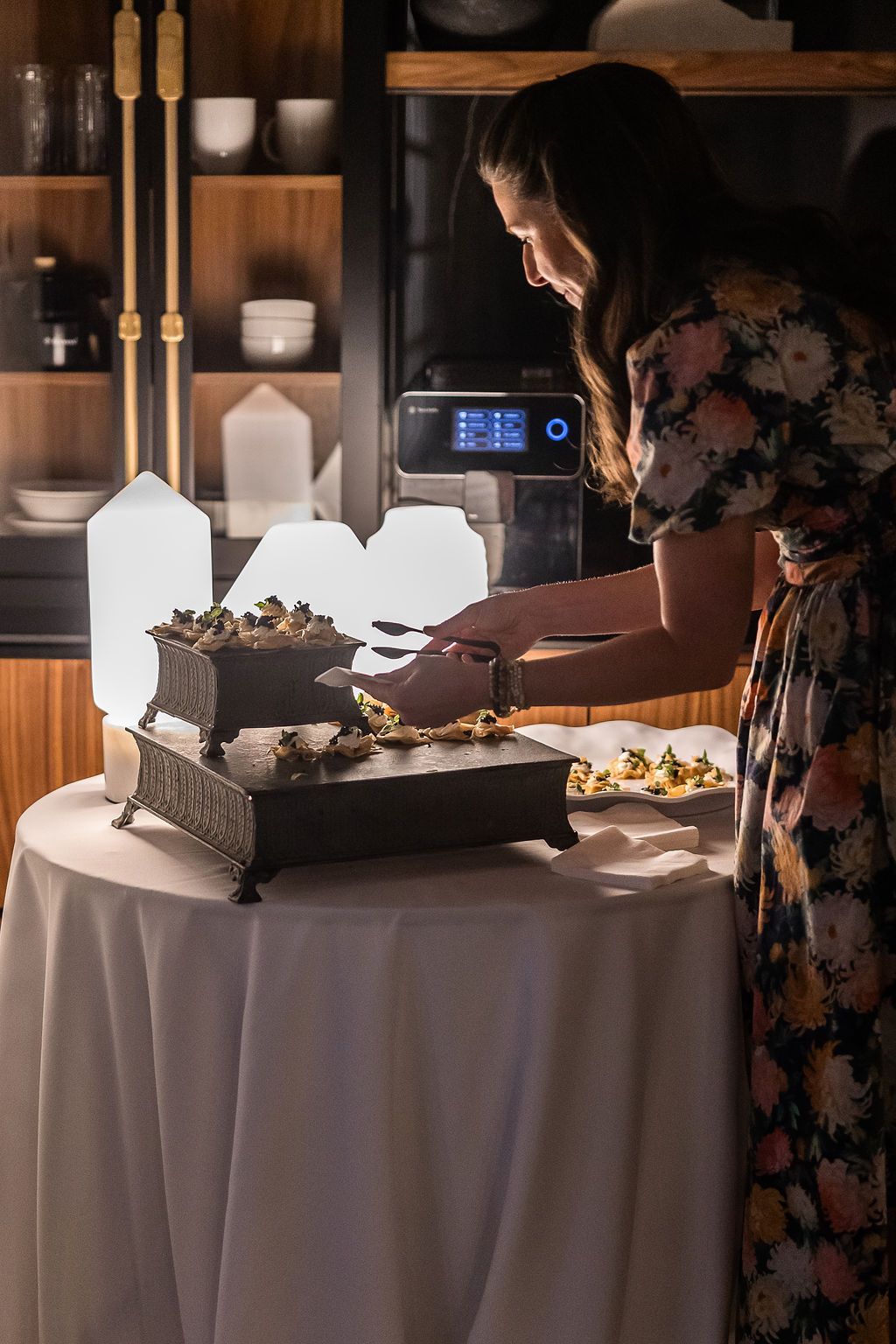
Perhaps the evening's most memorable demonstration happened around the dining table.
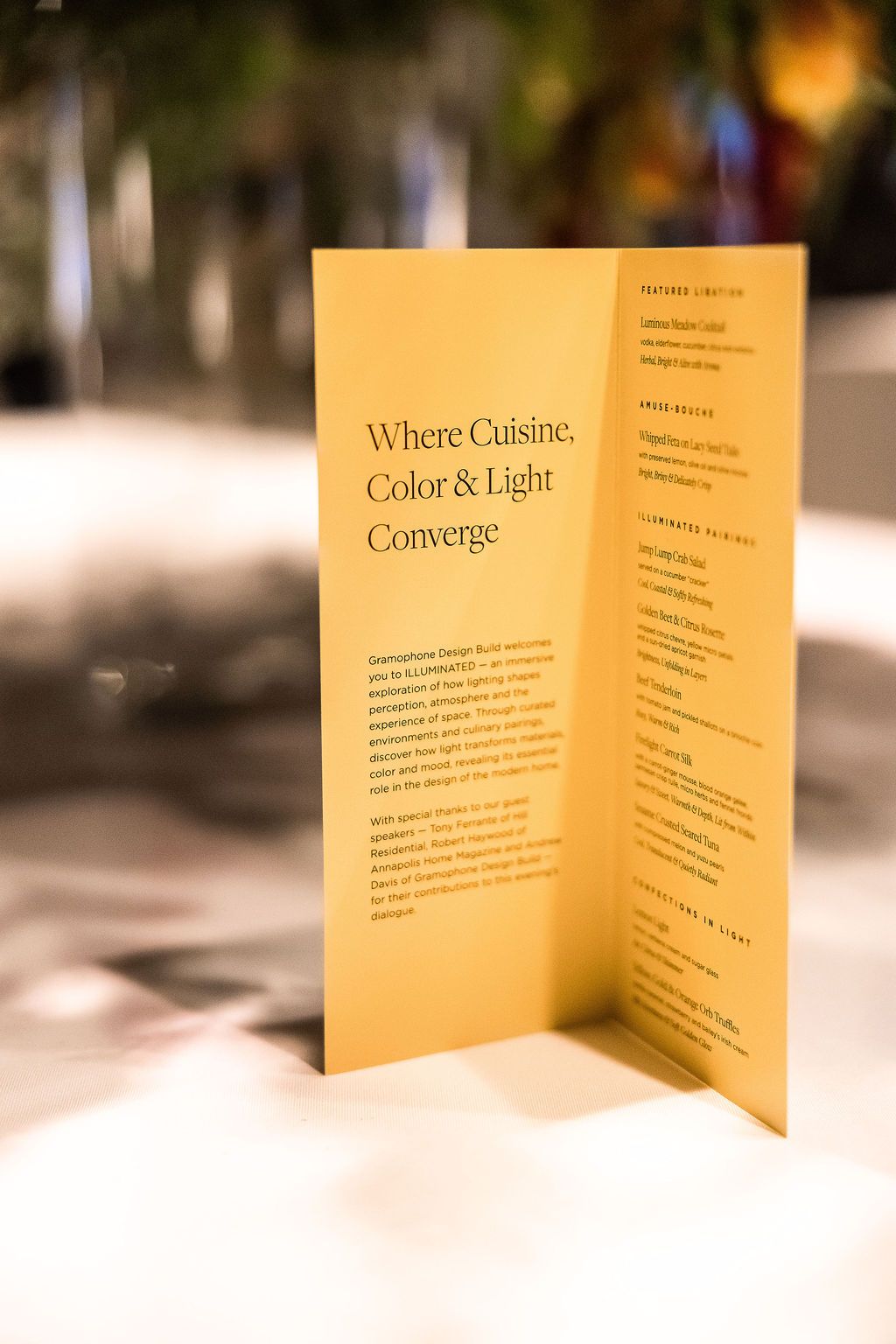
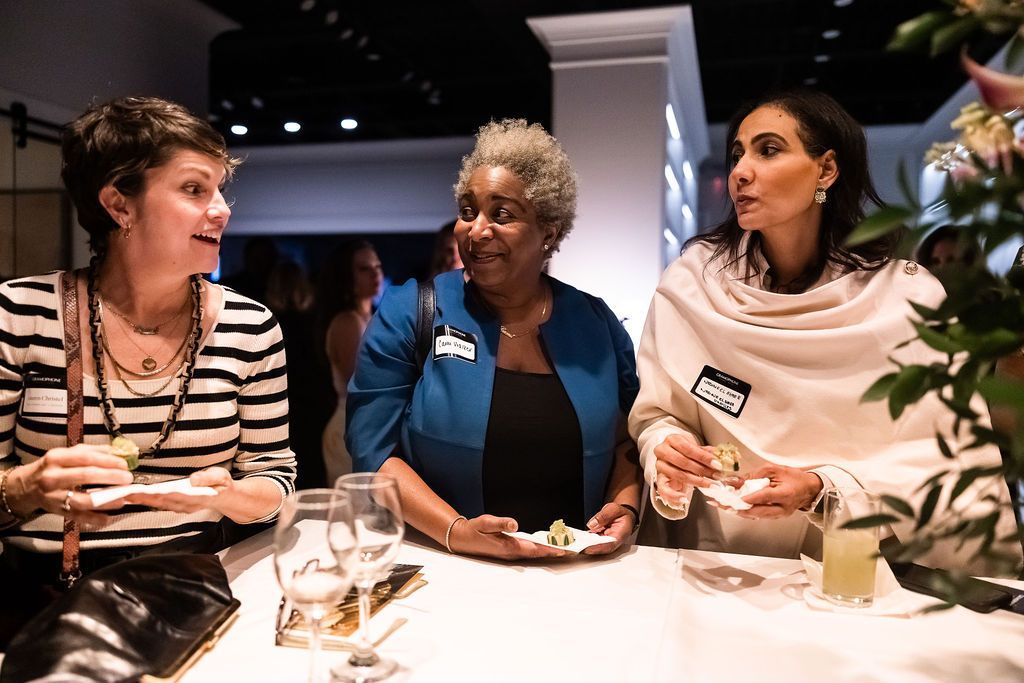
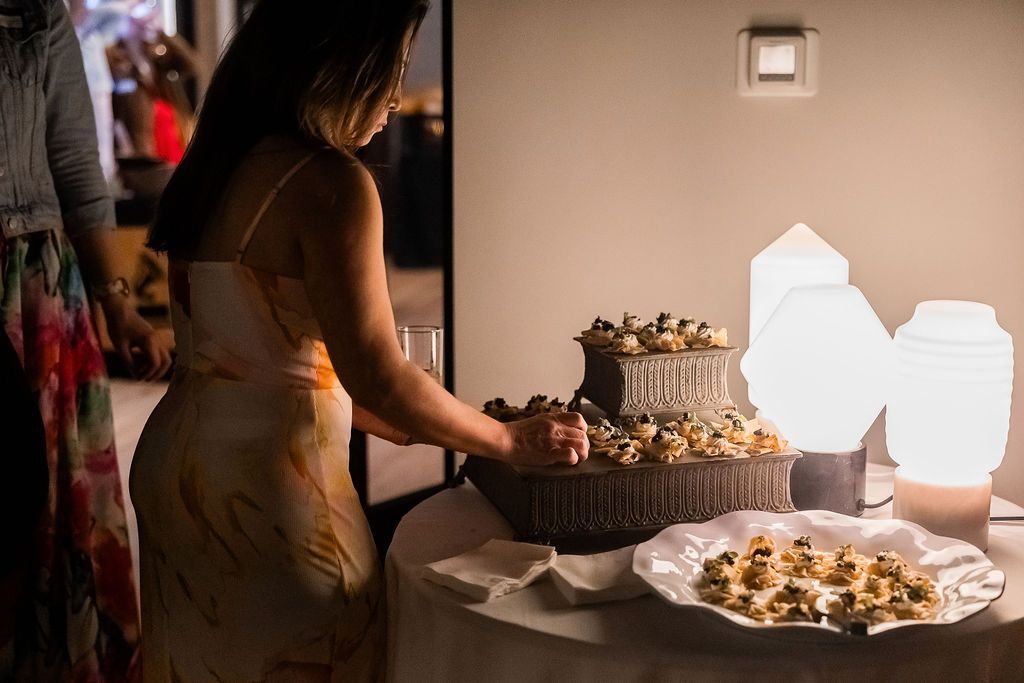
A series of thoughtfully curated hors d'oeuvres was served under changing lighting scenes, much like pairing food with wine. As each course arrived, the lighting shifted. Colors became richer. Textures appeared more dimensional. The atmosphere changed. The food hadn't changed. The experience of it had.
The demonstration reinforced something designers have understood for years: lighting doesn't simply affect what we see. It influences how we gather, how we converse, how we relax, and how we remember a space.


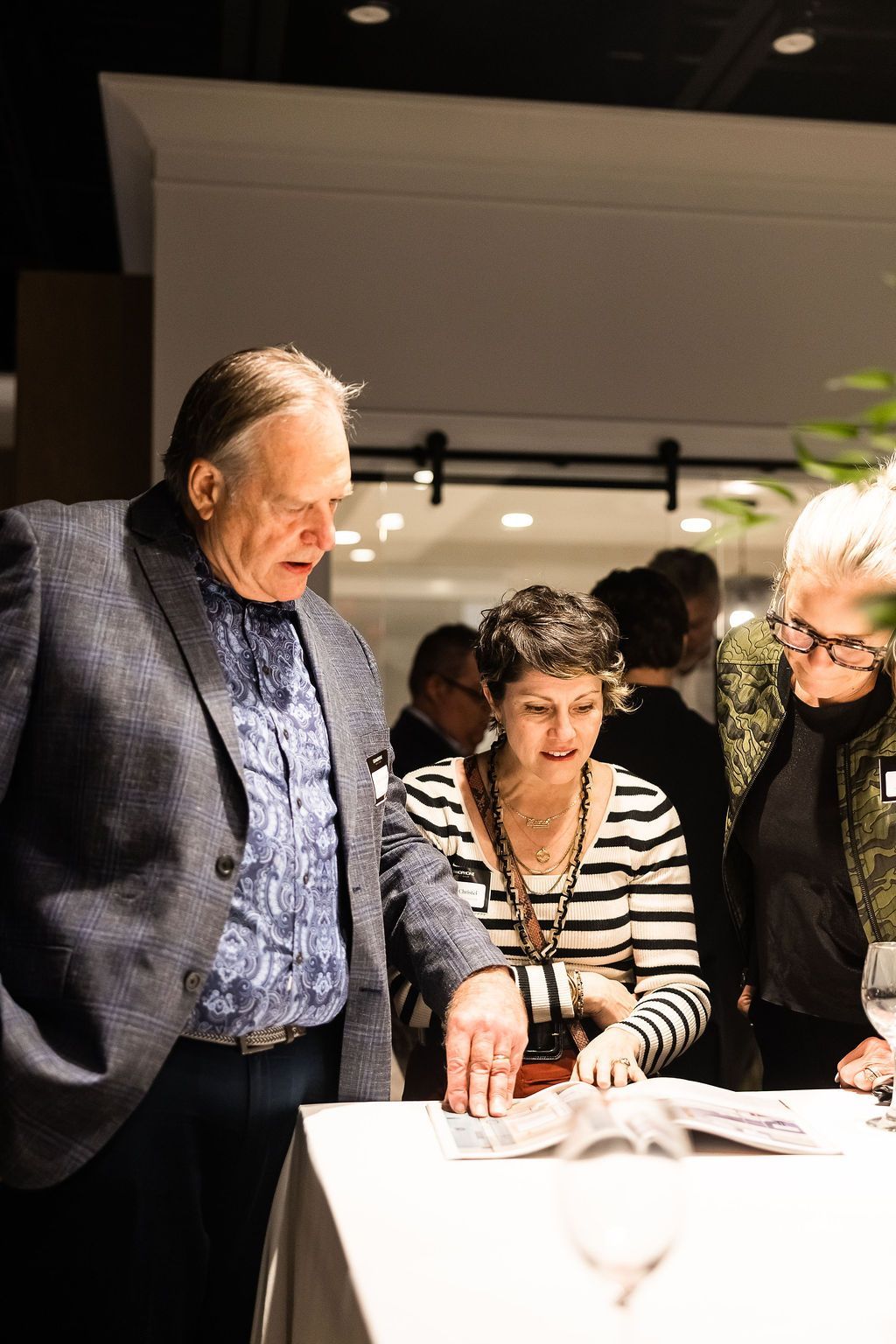


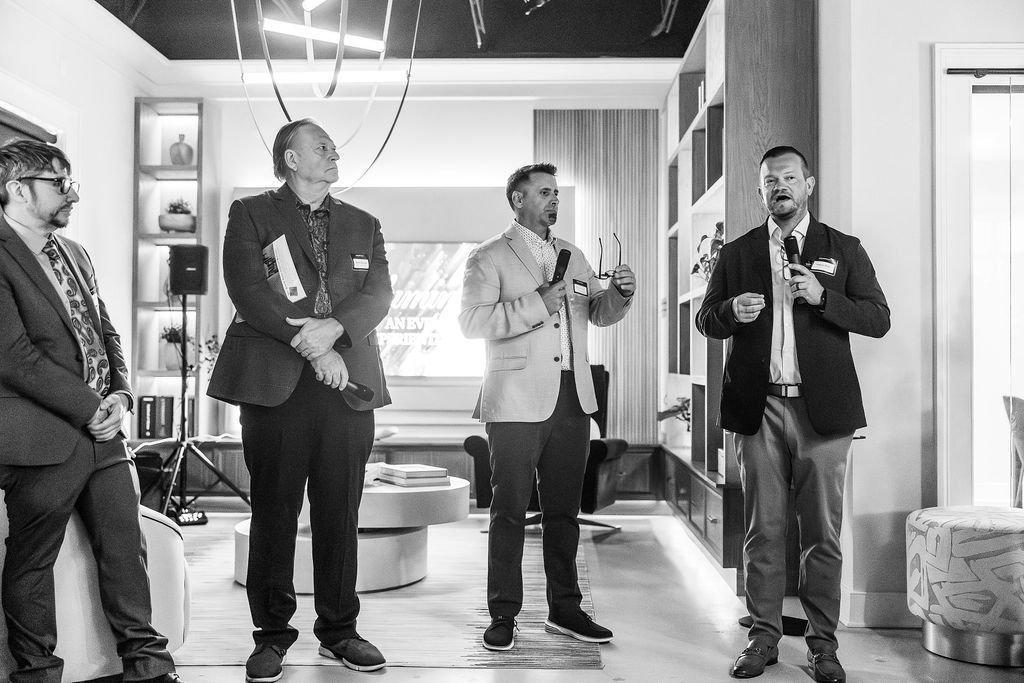
A panel discussion led by Tony Ferrante of Hill Residential, alongside Robert Haywood of Annapolis Home Magazine and Andrew Davis, CEO and Managing Partner of Gramophone Design Build, explored why lighting has become one of the earliest and most important design decisions in today's luxury homes.
"Lighting should do more than illuminate a space. It should support the way people live within it," said Andrew Davis. "That's why we don't think of lighting as just another system in the home. We think of it as one of the most powerful design tools available. That begins with designing lighting early, selecting the right fixtures, and creating a system that can evolve alongside the home and the family."
That flexibility may be one of the most significant changes in modern lighting.
Unlike traditional lighting systems, today's intelligent fixtures can be individually programmed long after they're installed. As furniture moves, artwork changes, families grow, or the way a room is used evolves, lighting can evolve with it. Rather than being fixed on the day it's commissioned, it becomes part of a home's ongoing story.
For homeowners, that means better comfort.
For architects and interior designers, it means greater creative freedom.
For the industry, it reflects something larger.
Lighting is no longer simply a technical system within the home. It has become one of the most powerful design tools available.
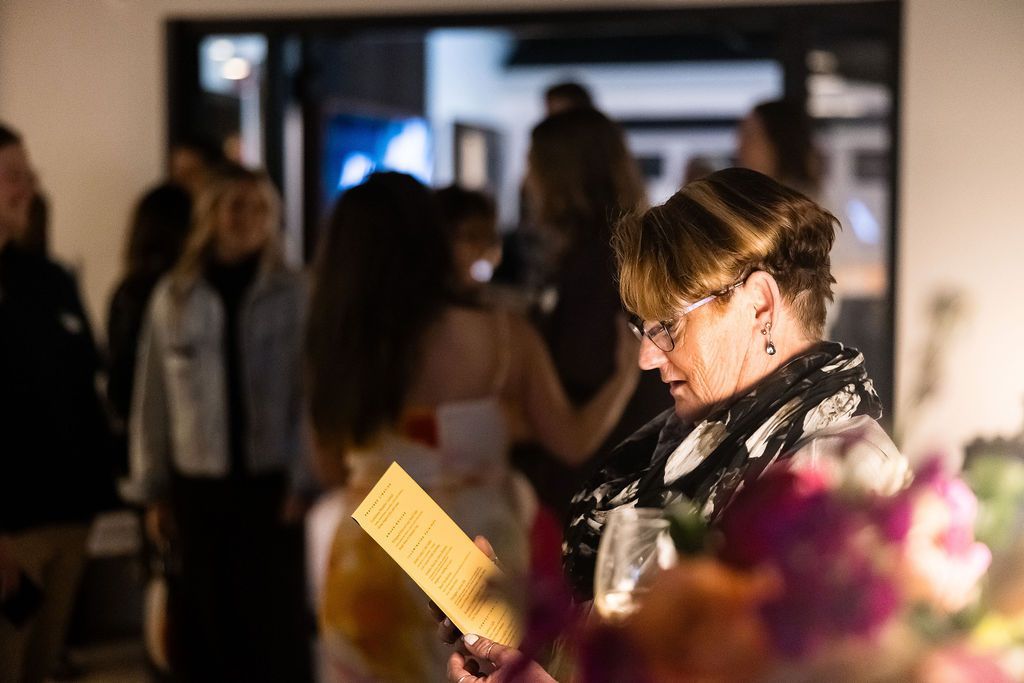
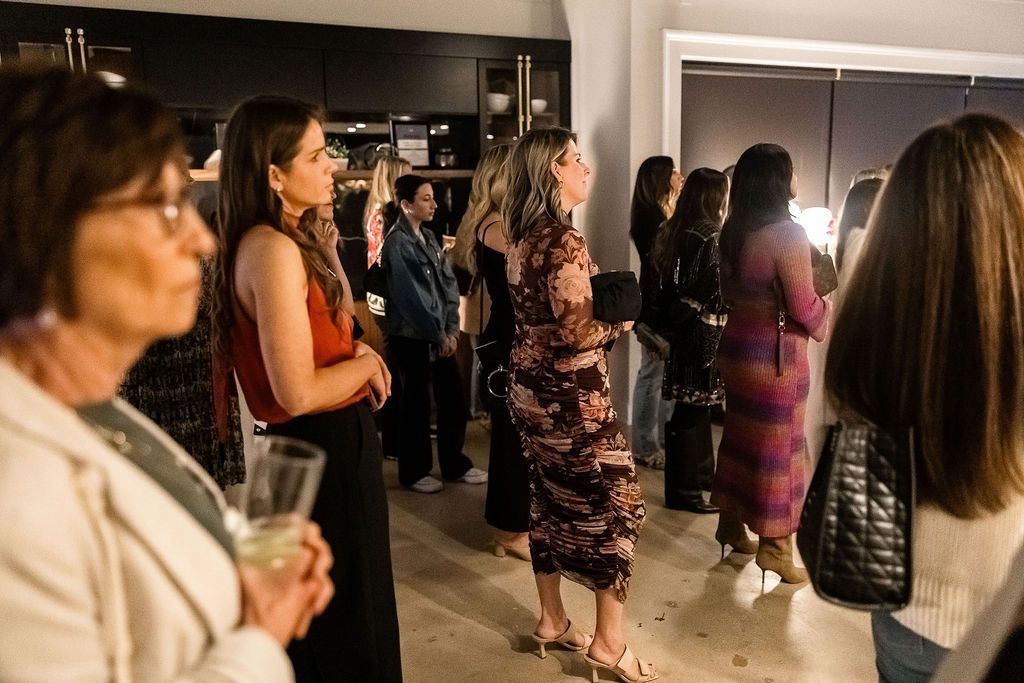
A look back at an evening designed to change the way we think about light.





























Share